
Withdrawing Cash With a Foreign Card in Germany: The One Button That Saves You Real Money
If you're withdrawing cash from a German ATM with a card issued abroad, the single most expensive mistake is accepting the machine's offer to convert the amount into your home currency on the spot, a practice called Dynamic Currency Conversion (DCC). It sounds convenient, but the ATM operator sets its own exchange rate for this, typically loaded with a 3 to 8 percent markup or more over the real interbank rate, and combined with other charges, this can add up to as much as 50 euros of pure extra cost on a single withdrawal. The fix is a single choice at the machine: when asked whether you want the amount converted or charged in euros, always choose to be charged in euros (often labeled 'without conversion' or 'decline'), and let your home bank handle the conversion instead, at a meaningfully better rate. The DCC option is frequently the default or the more prominently displayed choice on screen, so it's worth actively looking for the euro option rather than clicking through automatically.
The Official Rule
Dynamic Currency Conversion, commonly abbreviated DCC, is a feature offered at many ATMs and card payment terminals: when you withdraw cash or pay with a card issued abroad, the machine offers to convert the amount into your home currency immediately, right there at the point of transaction, rather than charging you in euros and letting your own bank handle the conversion afterward.
This convenience carries a real, meaningful cost, and it’s the single most common way people lose money on ATM withdrawals in Germany without realizing it. The ATM operator, not your bank, sets the exchange rate used for a DCC conversion, and that rate is typically loaded with a markup commonly cited as 3 to 8 percent or more above the actual interbank exchange rate, the real benchmark rate used between banks. Combined with other charges that can stack on top, worse exchange rates, hidden surcharges, and additional fees together can add up to as much as roughly 50 euros of pure extra cost on a single withdrawal.
The fix is a single decision made at the machine itself. When an ATM or terminal asks whether you’d like the amount shown and charged in your home currency or in euros, the answer that saves you money is always euros, sometimes labeled as declining the conversion, or phrased as “continue without conversion.” Your own bank back home then handles the actual currency conversion using its standard rates, which are generally meaningfully better than what the ATM operator applies through DCC.
| Accept DCC (convert on the spot) | Decline DCC (charge in euros) | |
|---|---|---|
| Who sets the exchange rate | The ATM operator | Your home bank, afterward |
| Typical markup over interbank rate | 3 to 8% or more | Generally smaller |
| Worst-case extra cost per withdrawal | Up to roughly 50 euros | Minimal by comparison |
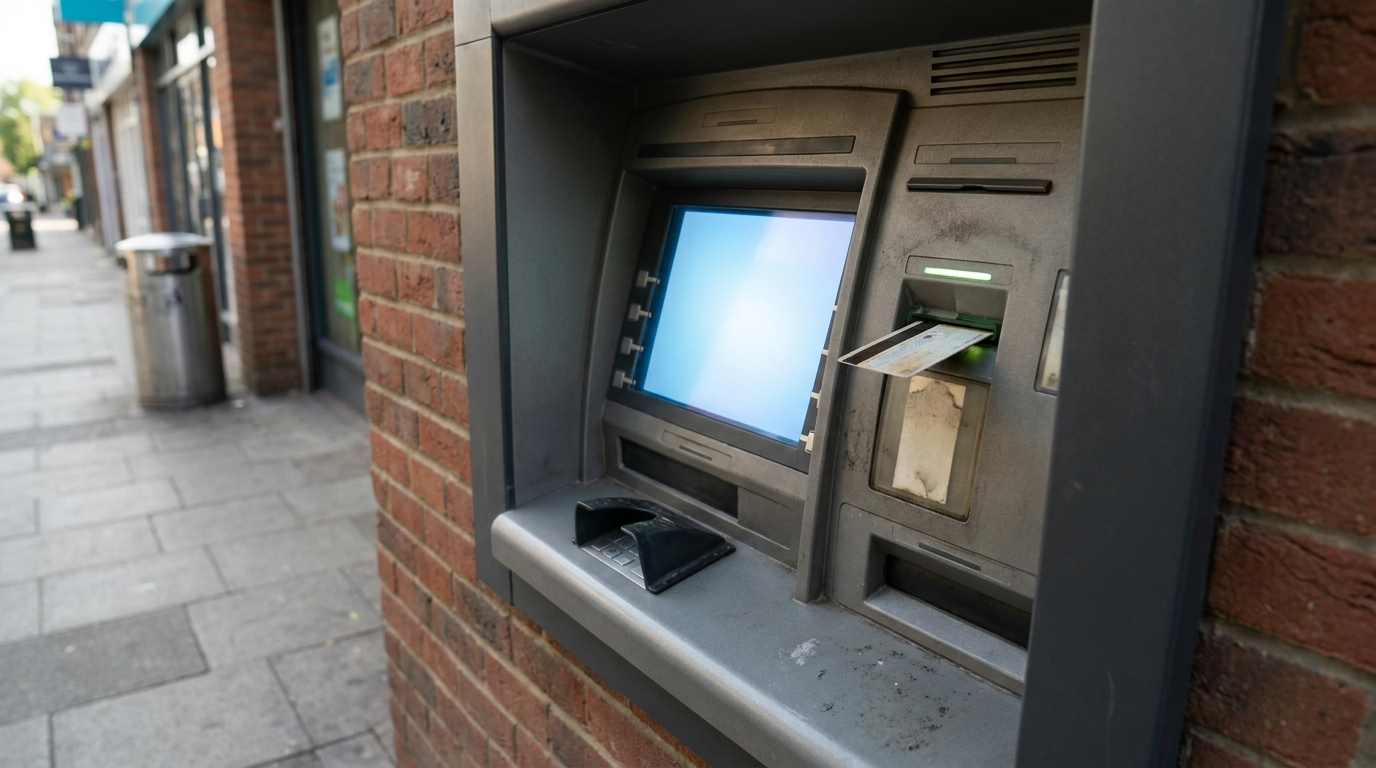
The screen design at the ATM often works against you making the better choice. The DCC option, converting into your home currency, is frequently the default selection or the more prominently displayed button, while the option to be charged in euros can be phrased less obviously. This isn’t necessarily an accident, it’s worth actively reading the screen and deliberately selecting the euro option rather than clicking through the first or most visually obvious button.
This same choice comes up at card payment terminals, not only ATMs. Paying with a foreign card in a shop or restaurant can trigger the same DCC offer, and the same rule applies: decline the on-the-spot conversion, pay in euros, and let your card issuer handle the exchange rate afterward.
What Real People Say
The recurring theme in practical advice on this topic is that DCC isn’t an obscure trap, it’s something nearly every traveler and newcomer using a foreign card in Germany will encounter, and the described mistake is almost always the same: accepting the home-currency option on screen because it feels more familiar or reassuring in the moment, without registering that it’s actually the more expensive path. People who’ve learned to consistently decline DCC describe it becoming an automatic habit after the first time they compared their actual statement against what a euro-charged withdrawal would have cost.
The advice to check your home country’s current exchange rate before traveling, so you have a rough sense of what a fair conversion looks like, comes up repeatedly as a way to spot an unfavorable DCC rate immediately rather than after the fact.
Step by Step
- When withdrawing cash at a German ATM with a foreign card, read the screen carefully rather than clicking through automatically.
- Always select the option to be charged in euros, sometimes labeled “without conversion” or “decline,” rather than accepting home-currency conversion.
- Don’t assume the more prominent or default button is the better choice, DCC is often displayed more attractively even though it’s the more expensive option.
- Apply the same rule at card payment terminals, not just ATMs, the same DCC offer and the same fix apply there too.
- Check your actual bank statement afterward if you’re ever unsure whether a transaction was charged in euros or converted on the spot, this confirms whether the right choice was actually applied.
Compliance Note
This page explains the general mechanics of Dynamic Currency Conversion and how to avoid its extra cost, but specific fees, markup percentages, and screen wording vary by ATM operator, bank, and card issuer, and can change over time. For your specific card and bank, confirm current foreign transaction terms directly with your card issuer.
FAQ & Common Pitfalls
What exactly does the ATM screen look like when it's trying to offer DCC?
It typically asks whether you'd like your withdrawal amount shown and charged in your home currency, or in euros, sometimes phrased as accepting or declining a currency conversion. The DCC option, converting to your home currency on the spot, is frequently the default selection or the more visually prominent button, while the option to be charged in euros is sometimes phrased less obviously, as 'without conversion' or simply 'decline.' The practical rule is straightforward regardless of exact wording: always choose the euro amount.
Why is my home bank's exchange rate actually better than what the ATM offers?
Because the ATM operator sets its own rate when offering DCC, and that rate typically carries a real markup, commonly cited as 3 to 8 percent or more above the actual interbank exchange rate, the benchmark rate banks use among themselves. Your home bank, converting the euro amount after the fact using its own standard rates, generally applies a smaller markup than what the ATM operator builds into an on-the-spot DCC conversion. This is why declining DCC and being charged in euros, then letting your bank convert, comes out cheaper even though it feels like an extra step.
Is this only a risk at ATMs, or does it come up with card payments too?
It comes up in both situations. Card payment terminals, not just ATMs, can offer the same on-the-spot currency conversion choice when you're paying with a foreign card, and the same rule applies: decline the conversion and pay in euros, letting your card issuer handle the exchange rate instead of the terminal or its operator.