
Mutterschaftsgeld: The Benefit That Pays Before Elterngeld Even Starts
Mutterschaftsgeld is a separate, earlier benefit from Elterngeld, and mixing the two up is one of the more common and stressful mistakes new parents make. It covers the mandatory Mutterschutz protection period, 6 weeks before your due date through 8 weeks after birth (12 weeks after a premature or multiple birth), not the longer parental leave Elterngeld is designed for. If you're a statutory (GKV) employee, your Krankenkasse pays up to 13 euros a day, and your employer is required to top that up to your full previous net salary, so most employed mothers effectively receive their normal income throughout. If you're privately insured (PKV) and employed, you get a single 210 euro payment from the Bundesamt für Soziale Sicherung instead, a real gap worth planning around. Self-employed and privately insured with no daily sick-pay policy means no Mutterschaftsgeld at all. Apply to your Krankenkasse as soon as your doctor or midwife gives you the certificate confirming your due date.
The Official Rule
Mutterschaftsgeld and Elterngeld get confused constantly, and understandably so, both involve payments around childbirth, but they cover different time windows for different purposes, and mixing them up while planning your finances around a new baby is a genuinely stressful mistake to make.
Mutterschaftsgeld covers the Mutterschutz protection period specifically: 6 weeks before your due date through 8 weeks after the birth, extended to 12 weeks after a premature birth or a multiple birth. This is the period German law generally prohibits you from working, and Mutterschaftsgeld exists to replace the income you’d otherwise lose during it. Elterngeld, by contrast, starts from birth and is designed for the longer stretch of reduced work afterward, available to either parent, not just the mother.
| Situation | What you actually receive |
|---|---|
| Statutory insured (GKV), employed | Up to 13 euros/day from your Krankenkasse, employer tops up to full net salary |
| Privately insured (PKV), employed | A single 210 euro payment from the Bundesamt für Soziale Sicherung |
| Privately insured (PKV), self-employed | Nothing, unless you already hold a private daily sick-pay policy |
If you’re a statutory (GKV) employee, the combination genuinely covers your income. Your Krankenkasse pays up to 13 euros per calendar day, and separately, your employer is legally required to top that up to your full previous average net salary under Section 20 of the Maternity Protection Act (MuSchG). The employer calculates this from your net income over the three calendar months before your Mutterschutz period starts, divided by 90 days, and pays the difference between that daily figure and the Krankenkasse’s 13 euros. Employers recover 100 percent of what they pay out through the U2 levy system, which is part of why this isn’t something you need to negotiate or justify, it’s a standard, fully reimbursed process on their end.
If you’re privately insured (PKV) through your employer, the statutory benefit is a genuinely smaller, one-time 210 euro payment from the Bundesamt für Soziale Sicherung instead, not the daily-rate system GKV members get. This is a real structural gap between the two insurance systems worth knowing well before your due date, and worth asking your employer directly whether any company-level maternity support fills part of that gap in your specific situation.
If you’re self-employed and privately insured with no daily sick-pay policy already in place, you generally have no entitlement to Mutterschaftsgeld at all. This is one of the more consequential gaps in the system for freelancers and small business owners specifically, and it’s a genuinely different situation from simply having a lower payout, it can mean no payout. Arranging a private Krankentagegeldversicherung well before a pregnancy is likely, rather than during one, is the only real way to cover this gap, since insurers underwrite new policies normally.
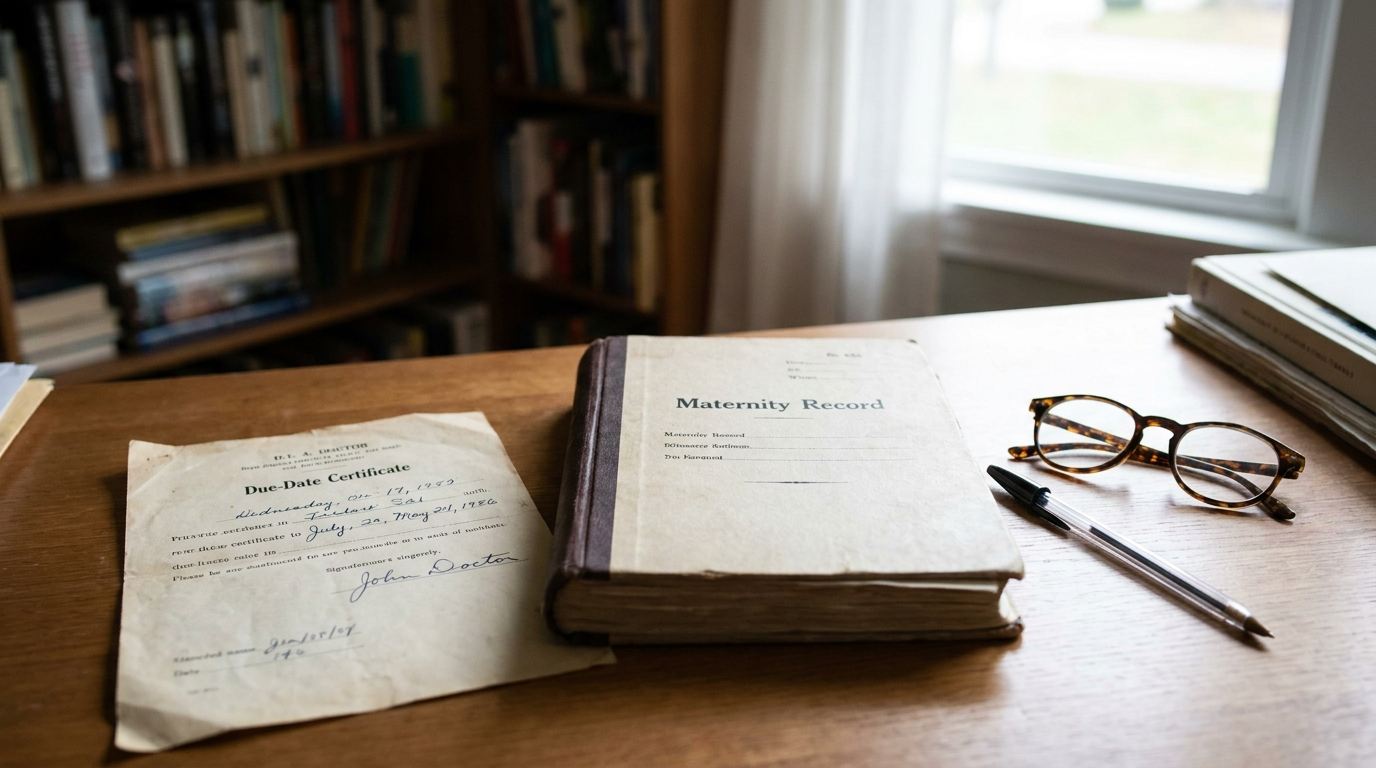
Applying is straightforward once you have the right document. You apply directly to your Krankenkasse, and the trigger is a certificate from your doctor or midwife confirming your expected due date. Apply as soon as you have that certificate rather than waiting, since payment timing depends on your Krankenkasse processing the application before your Mutterschutz period actually begins.
What Real People Say
Guides and forums covering new parenthood in Germany consistently flag the Mutterschaftsgeld/Elterngeld confusion as one of the most common financial planning mistakes new parents make, budgeting around only one of the two benefits, or assuming they stack fully rather than offset each other for overlapping weeks. The practical framing that comes up repeatedly: think of Mutterschaftsgeld as covering the Mutterschutz weeks specifically, near your full salary if you’re a GKV employee, and Elterngeld as picking up afterward at a lower rate, rather than trying to calculate one combined number for the whole period from application day one.
The insurance-status gap also comes up often among expat and international families specifically, since Munich’s international workforce includes a meaningful share of PKV-insured employees and freelancers who assumed maternity coverage worked the same way regardless of insurance type. The consistent advice is to check your specific insurance and employment situation against these rules well before a due date is close, rather than assuming the generous GKV-employee scenario applies universally.
Step by Step
- Get your due-date certificate from your doctor or midwife, and apply to your Krankenkasse as soon as you have it rather than waiting closer to your Mutterschutz start date.
- Confirm which of the three situations applies to you: GKV-employed, PKV-employed, or self-employed with or without a daily sick-pay policy, since the actual benefit differs substantially between them.
- If you’re a GKV employee, don’t separately calculate your employer top-up, this is a standard, employer-side legal obligation, not something you need to request or negotiate.
- If you’re PKV-employed, ask your employer directly whether any company-level maternity benefit fills the gap beyond the statutory 210 euros.
- If you’re self-employed and privately insured, arrange a daily sick-pay policy well before trying to conceive, not after, since this is the only real path to coverage in that situation.
- When Elterngeld planning starts, remember Mutterschaftsgeld for overlapping weeks gets deducted from it, not added on top, and budget your parental-leave finances around the actual combined mechanics rather than two separate full amounts.
FAQ & Common Pitfalls
Do I get both Mutterschaftsgeld and Elterngeld for the same weeks?
Not stacked on top of each other for the overlapping period, they interact instead. Mutterschaftsgeld payments you receive for a given period get fully counted against any Elterngeld claimed for that same period. If your Mutterschaftsgeld, including the employer top-up, comes out higher than what Elterngeld would have paid, you simply keep the Mutterschaftsgeld amount for those weeks. If Elterngeld would have been higher, you receive the difference on top. In practice, since the employer top-up usually brings Mutterschaftsgeld close to your full net salary while Elterngeld caps lower, most employed mothers end up simply receiving Mutterschaftsgeld through the Mutterschutz period before Elterngeld begins covering the weeks after.
I'm privately insured through my employer. Is 210 euros really all I get?
For the statutory Mutterschaftsgeld specifically, yes, privately insured employees receive a one-time 210 euro payment from the Bundesamt für Soziale Sicherung rather than the daily-rate benefit GKV members get. This is worth knowing well before your due date rather than discovering it during Mutterschutz, since it's a real, structural gap between the two insurance systems rather than a processing error. It's worth asking your employer directly whether any additional company-level maternity support applies in your specific case, since the statutory gap doesn't necessarily mean no additional support exists.
I'm self-employed and privately insured. What are my actual options?
Without a private daily sick-pay policy (Krankentagegeldversicherung) already in place, self-employed and privately insured mothers generally have no entitlement to Mutterschaftsgeld at all, this is one of the more consequential gaps in the system for freelancers and business owners. If you already hold this kind of policy, your insurer pays out the agreed daily rate instead. This is genuinely worth arranging well before a pregnancy is likely, rather than during one, since insurers apply standard underwriting to new policies.