
Is That Really an MVG Ticket Inspector? What They Must Show You, and What You Don't Owe on the Spot
Every genuine MVG or S-Bahn München ticket inspector is required to identify themselves as an inspector, and if you're at all unsure whether the person checking your ticket is legitimate, you're entitled to ask to see their official identification before cooperating further. If you genuinely don't have a valid ticket, you are required to cooperate by giving your personal details and showing ID on request, but you're not required to pay any fine in cash on the spot, the elevated fare (at least 60 euros) is a civil claim, not a criminal fine, and it's typically handled afterward through a formal payment process rather than a cash demand from the person checking tickets. Cashless, official payment channels exist specifically to reduce the risk of fraud by people posing as inspectors, so a demand for immediate cash payment, especially without being able to produce an ID on request, is itself a signal worth treating with real suspicion.
The Official Rule
Getting stopped for a ticket check on the U-Bahn, S-Bahn, tram, or bus in Munich is common enough that most residents stop thinking about it, until a specific interaction feels off, no visible uniform, an unusually pushy demand for cash, or simply a gut sense that something isn’t right. Knowing what a genuine inspector is required to do, and what you’re actually required to do in return, matters more than it might seem.
Every real ticket inspector working for MVG or S-Bahn München is required to be able to identify themselves as an inspector, according to S-Bahn München’s own passenger information. If you’re at all unsure whether the person checking tickets is legitimate, you’re entitled to ask them to show proof of that role before you cooperate any further, a genuine inspector won’t refuse this, it’s a standard, expected request.
| Who | Requirement |
|---|---|
| The inspector | Must be able to identify themselves as an inspector on request |
| You, if you lack a valid ticket | Must give accurate personal details and show your own ID on request |
| Payment of the elevated fare | Handled afterward through official channels, not cash on the spot |
If you genuinely don’t have a valid ticket when checked, you are required to cooperate: give your personal details accurately and show your own identification when asked. That obligation exists regardless of whether the check itself feels entirely routine or you have some lingering doubt about the person conducting it, the right response to suspicion is asking to see their ID, not refusing to identify yourself.
Here’s the detail that matters most for spotting a scam: you are not required to pay any fine in cash, on the spot, to whoever is checking tickets. The elevated transport fee (Erhöhtes Beförderungsentgelt) for riding without a valid ticket is a civil claim, not a criminal, on-the-spot penalty, and it starts at a minimum of 60 euros. It’s designed to be paid afterward through official, traceable payment channels rather than handed over as cash in the moment. Cashless payment specifically exists as a safeguard against fraud by people posing as inspectors, so an insistent demand for immediate cash, particularly paired with reluctance to show ID, is a real, concrete warning sign rather than something to write off as just an unusually pushy employee.
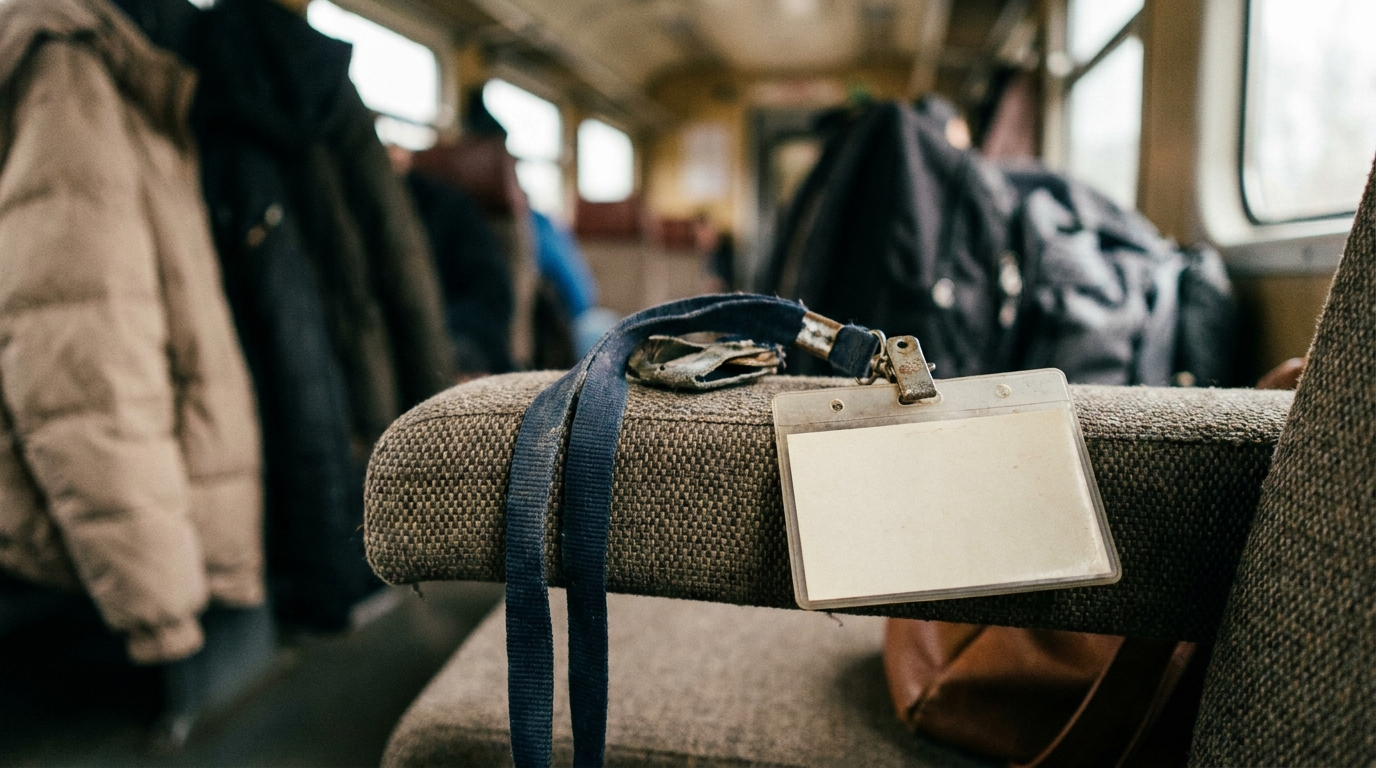
What Real People Say
The pattern that comes up in real accounts of this situation is less about a dramatic confrontation and more about a quiet, nagging feeling that something is off, a person with no visible uniform or badge asking for cash immediately, without going through the usual process of noting details and sending a formal payment request afterward. People who’ve navigated a suspicious encounter successfully describe simply asking, directly and calmly, to see identification before handing over anything, rather than assuming they have to comply with whatever’s demanded just because the setting (a train platform, a crowded U-Bahn car) feels official.
The other consistent thread is that reporting a suspicious incident afterward, to MVG, S-Bahn München, or the police, is treated as the right move when something felt wrong, rather than assuming nothing can be done once the moment has passed.
Step by Step
- If you have a valid ticket, simply show it when asked, this part of a genuine check is quick and routine.
- If you’re unsure whether the person checking is a real inspector, ask to see their official identification before providing any personal details or payment.
- If you genuinely lack a valid ticket, cooperate by providing accurate personal details and your own ID, regardless of any doubts about the inspector, that obligation stands separately.
- Never pay a fine in cash on the spot, the elevated fare is a civil claim handled through official channels afterward, not an immediate cash transaction.
- If something feels wrong, decline further cooperation beyond the minimum and report the incident to MVG, S-Bahn München, or the police afterward.
Compliance Note
This page explains the general framework for ticket inspector identification requirements and passenger rights on Munich’s public transit network, current as of mid-2026. It is not legal advice. For a specific incident, confirm details directly with MVG, S-Bahn München, or local law enforcement.
FAQ & Common Pitfalls
How do I actually know if the person checking my ticket is a real MVG or S-Bahn inspector?
Every genuine inspector is required to be able to identify themselves as such on request. If anything about the situation feels off, no uniform, a vague or evasive answer, an unusually aggressive demand for immediate payment, you're entitled to ask them to show their official identification before you hand over any money or personal documents. A legitimate inspector won't refuse this.
If I don't have a valid ticket, what am I actually required to do during the check?
You're required to cooperate: provide your personal details accurately and show your own ID on request. This part of the process is the same whether the inspection ends up being genuine or you have doubts about it, refusing to identify yourself isn't the right response even if you're suspicious, asking to see the inspector's own ID is.
Someone checking tickets is demanding I pay a fine in cash right now. Is that normal?
No, that's specifically the kind of situation worth treating with suspicion. The elevated fare for traveling without a valid ticket is a civil claim, not an on-the-spot criminal fine, and it's designed to be paid afterward through official, traceable payment channels rather than handed over in cash to whoever is standing in front of you. Insisting on cashless, official payment is itself one of the ways transport operators try to prevent fraud by people posing as inspectors.
What should I actually do if I suspect the person checking tickets isn't a real inspector?
Ask directly and calmly to see their official identification. If they can't or won't produce it, or the overall situation still feels wrong, you're within your rights to decline further cooperation beyond what's minimally required and to contact MVG, S-Bahn München, or the police afterward to report the incident, rather than resolving it financially on the spot.