
Reading Your SWM Bill: What Abschlag, Nachzahlung, and Guthaben Actually Mean
Your monthly SWM payment is called an Abschlag, an advance estimate based on your prior consumption and current tariff prices, split across roughly 11 payment dates rather than 12. It isn't your actual bill, it's a prediction, and the real reckoning happens once a year at your Jahresabrechnung (annual statement), which compares what you actually paid in Abschläge against what you actually used. If you paid more than you used, that's a Guthaben (credit) that gets refunded to you. If you paid less, that's a Nachzahlung (an amount still owed), due on a specific date the statement spells out. You can adjust your Abschlag amount yourself through the Meine SWM online portal or app, and it's genuinely worth doing if your household's consumption has changed, since an Abschlag set too low is exactly what produces a Nachzahlung surprise at the end of the year.
The Official Rule
Your monthly SWM payment, the Abschlag, isn’t your actual electricity or gas bill, it’s an advance estimate. SWM calculates it by looking at your most recent consumption, applying your current tariff’s prices, and dividing the resulting projected annual amount across your payment schedule, typically around 11 payment dates rather than a clean 12.
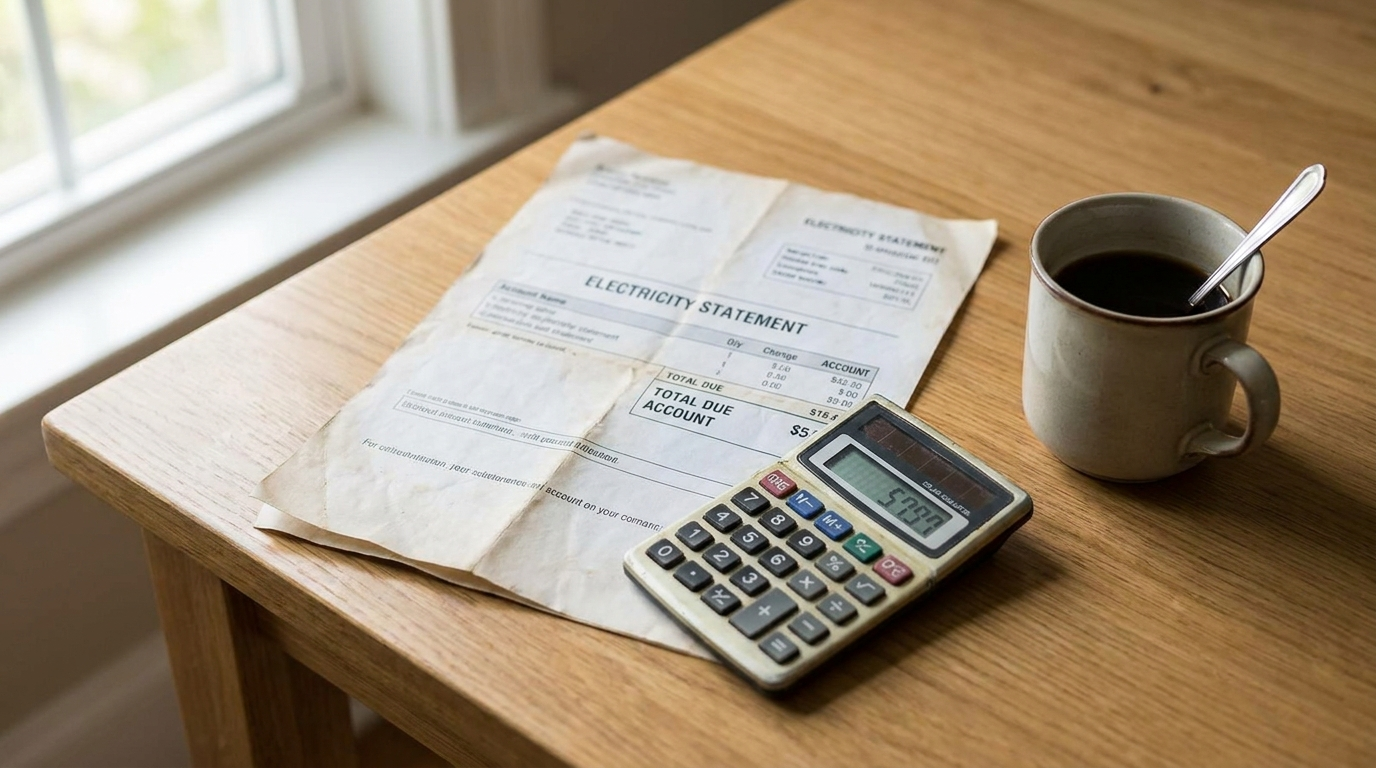
The real accounting happens once a year, at your Jahresabrechnung (annual statement). This document compares what you actually paid across all your Abschlag payments against what your household actually consumed during that period, priced at your real tariff rates. The result lands in one of two directions. A Guthaben means your Abschlag payments added up to more than your actual usage cost, and you’re owed the difference back. A Nachzahlung means the opposite, your payments fell short of your actual usage, and you owe the remaining amount.
| Result | What it means | What happens next |
|---|---|---|
| Guthaben (credit) | You paid more in Abschläge than you actually used | The difference is refunded to you |
| Nachzahlung (owed amount) | You paid less in Abschläge than you actually used | You owe the difference by a stated due date |
For a Nachzahlung, your statement specifies the exact due date the amount needs to be transferred or will be debited, if you’re on SEPA direct debit. For a Guthaben, the statement shows the date the refund transfer happens instead. If you don’t have a SEPA direct debit mandate already on file with SWM, you’ll need to actively provide your bank details so they know where to send a credit refund, this doesn’t happen automatically without that information on record.
You have real control over your Abschlag amount, and it’s worth using it rather than treating the number SWM sets as fixed. Through the Meine SWM online portal or its app, you can adjust your monthly Abschlag yourself. The practical reason this matters: setting your Abschlag too low doesn’t cause any problem in the moment, your monthly payments just feel smaller, but it directly increases the odds that your next Jahresabrechnung produces a Nachzahlung, a single larger amount owed all at once rather than smoothly spread across the year.
Bills themselves, along with your account details, are available digitally through a secure inbox in the Meine SWM online portal or app, and you get an email notification whenever a new bill is ready to view.
What Real People Say
New residents describe the biggest source of confusion as simply not realizing the Abschlag is an estimate rather than a real bill, and being caught off guard months later by a Nachzahlung they didn’t see coming, particularly after a change in household size or a winter that ran colder than the estimate assumed. The practical habit people describe adopting once they understand the system: checking in on the Abschlag amount periodically, especially after any real change in the household’s energy use, rather than treating it as something set once and forgotten.
Step by Step
- Understand that your monthly Abschlag is an estimate, not your real bill, the actual reckoning happens once a year at your Jahresabrechnung.
- Check your Meine SWM online portal or app periodically, especially after a real change in your household’s energy consumption.
- Adjust your Abschlag amount yourself if it feels meaningfully too low or too high, rather than waiting for the annual statement to surface the gap.
- When your Jahresabrechnung arrives, check whether it shows a Guthaben or a Nachzahlung, and note the relevant date, either the refund transfer date or the payment due date.
- If you don’t have a SEPA direct debit mandate on file, provide your bank details proactively so a Guthaben refund isn’t held up waiting on that information.
- Sign up for email notifications through Meine SWM if you haven’t already, so you don’t miss a new bill sitting in your online inbox.
Compliance Note
This page explains the general framework for reading an SWM bill, but specific billing mechanics, payment schedules, and portal features can change over time. For anything specific to your account, confirm directly with SWM through the Meine SWM portal or their customer service.
FAQ & Common Pitfalls
Why does my Abschlag only get split into 11 payments instead of 12?
This is standard practice for SWM billing rather than anything specific to your account. The exact reason isn't spelled out in detail in the official explanations, but the practical effect is simply that your estimated annual amount gets divided by roughly 11 payment dates rather than a clean 12, so don't be alarmed if your monthly statement schedule doesn't line up neatly with the calendar year.
Our Abschlag feels too low. Should we just leave it and deal with the Nachzahlung later?
It's worth adjusting proactively rather than waiting, especially if you know your household's consumption has genuinely increased, a new appliance, more people in the home, or a colder winter than usual. You can change your Abschlag amount yourself directly through the Meine SWM online portal or app. A too-low Abschlag doesn't cause a problem month to month, but it does mean your annual Jahresabrechnung is more likely to land as a Nachzahlung, a lump sum owed all at once, which is a worse financial surprise than spreading the adjustment out over your regular monthly payments.
We got a Guthaben on our annual statement. How do we actually get the money back?
If you have a SEPA direct debit mandate set up with SWM, the credit is simply transferred back to you automatically, and your Jahresabrechnung will show the date this happens. If you don't have a direct debit mandate on file, you'll need to actively provide your bank account details to SWM so they know where to send the refund, this isn't something that happens automatically without that information.