
Subletting Rules in the Netherlands: When Onderhuur Is Actually Legal
Subletting in the Netherlands (onderhuur or onderverhuren) is only legal with your own landlord's written permission, and silence in your lease is not the same as consent, you still have to ask. Subletting a single room while you keep living in the home yourself is generally allowed unless your contract specifically forbids it. Subletting the entire home without permission is a different matter entirely: your landlord can terminate the agreement with both you and your subtenant, and you can be ordered to hand over any profit you made plus cover the landlord's damages. Social housing (sociale huur) is stricter still, most housing corporations ban subletting outright, and municipalities can issue administrative fines that legal-advice sources report running up to roughly 20,500 EUR for a first offense and as high as 83,000 EUR for repeat violations, on top of eviction. There is no situation where subletting quietly and hoping nobody notices is a safe strategy.
The Official Rule
Subletting in the Netherlands, onderhuur or onderverhuren, runs on one consistent principle regardless of what kind of home you’re renting: your own landlord’s permission comes first, and that permission has to be explicit. According to the official Rijksoverheid guidance, a tenant generally may only sublet with the landlord’s consent, and a lease that simply doesn’t address subletting one way or the other does not count as consent. If you want to sublet, you ask, and you get a clear answer before you advertise the room or hand anyone a key.
There’s a meaningful distinction built into the rule, though. Subletting part of your home, typically one room, while you continue living there yourself, is treated much more leniently than subletting the entire home. According to guidance summarized by Volkshuisvesting Nederland, a tenant may generally sublet a portion of the home without needing separate written landlord permission for that specific arrangement, unless the tenancy agreement itself explicitly prohibits it, which many modern contracts do. Subletting the whole home while you move out entirely is a different situation altogether and essentially always requires the landlord’s explicit sign-off.
| Situation | What the rule generally requires |
|---|---|
| Renting out one room, you still live there | Usually allowed unless your own lease specifically bans it |
| Subletting the whole home, you move out | Landlord's explicit written permission required |
| Social housing (sociale huur), any subletting | Almost always prohibited by the housing corporation's own terms |
| Lease is silent on subletting | Treated as no permission, not as automatic approval |
What Happens When It Goes Wrong
The consequences aren’t hypothetical, and they land on the main tenant, not the subtenant. According to ARAG’s tenant-law guidance and the detailed breakdown from Rentslam, a landlord who discovers unauthorized subletting can go to court to terminate the rental agreement with both the original tenant and the subtenant, and courts have also ordered tenants to pay damages, sometimes calculated as a share of whatever profit they made from the illegal sublet, plus the landlord’s investigation and legal costs. This isn’t an instant eviction by lock change, a court still has to approve termination, but the realistic outcome in a contested case tends to favor the landlord.
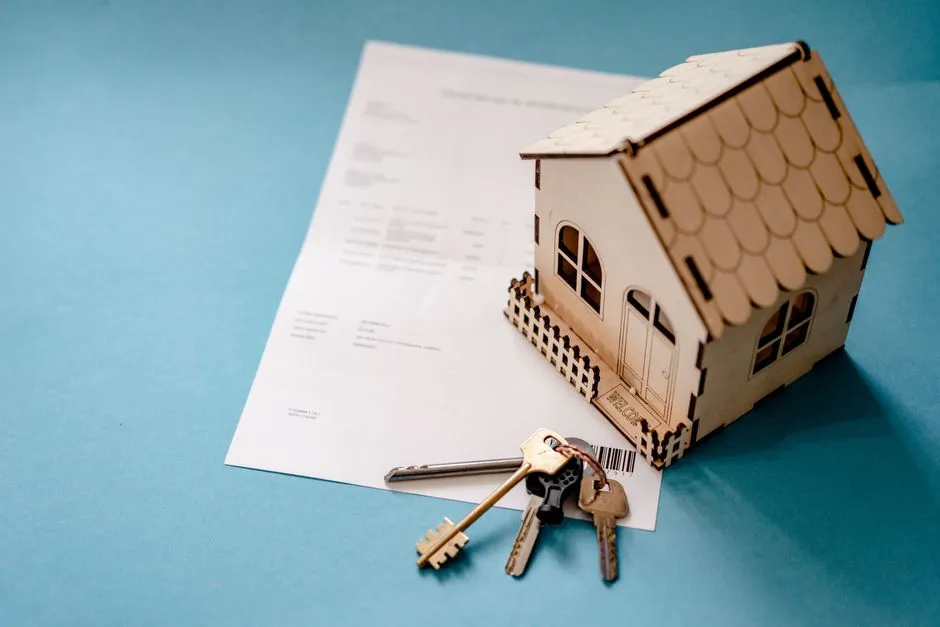
Photo by Atlantic Ambience on Pexels
Social housing carries the sharpest teeth. Most Dutch housing corporations write an outright subletting ban into the tenancy agreement, and given how scarce social housing is (waiting lists in Amsterdam alone run into the years, not months), corporations treat illegal subletting as a priority enforcement target rather than a minor breach. Beyond what the housing corporation itself can pursue civilly, municipalities have their own administrative fine power under the Huisvestingswet framework. Legal-advice sources including Flegal Juridisch Advies and Rentslam report that these municipal fines for illegal subletting of social housing have been raised substantially over recent years, with figures cited around 20,500 EUR for a first offense, rising to as much as 83,000 EUR for repeat violations within the same property. Subtenants themselves generally aren’t the ones fined, authorities recognize they often don’t know the arrangement is illegal, but that’s cold comfort if the outcome is losing the room with little notice when the main tenant’s arrangement collapses.
What Real People Get Wrong
The most common mistake isn’t malicious, it’s the assumption that a quiet, informal arrangement with a friend or a short-term guest doesn’t count as “real” subletting and therefore doesn’t need permission. It does count. Dutch rental-guide sources consistently flag the same pattern: someone takes on a roommate or a temporary subtenant to help cover rent, doesn’t think to mention it to the landlord because it feels informal or short-term, and only discovers the rule matters when the landlord finds out, often through a change in who answers the door, a different name on a doorbell, or a BRP registration mismatch at the municipality. None of those triggers require the landlord to be actively looking for problems, they surface on their own.
The other recurring misunderstanding is about social housing specifically: people underestimate how aggressively corporations investigate, assuming a single subtenant for a few months is too small to attract attention. Housing corporations run structured fraud checks precisely because social housing fraud (subletting a scarce, subsidized unit for profit) is a well-known and actively targeted pattern, not a rare edge case.
Step by Step
- Check your own lease first for any clause that explicitly permits or bans subletting, some modern contracts address it directly.
- Ask your landlord in writing, even for something as small as one room, before you advertise it or move anyone in. Email is fine as long as you keep the reply.
- Get the permission in writing, not a verbal yes. If a dispute ever comes up, you’ll need something to show.
- If you’re in social housing, contact your housing corporation directly about your situation instead of arranging anything informally, most corporations have a formal process for reporting financial hardship that doesn’t involve subletting at all.
- Register the subtenant properly at the municipality if the arrangement is long-term and legitimate, an unregistered occupant living at your address is its own separate problem.
Compliance Note
This page summarizes general Dutch subletting rules based on official Rijksoverheid and municipal guidance current as of 2026, along with figures reported by established tenant-law sources. It is not legal advice, and fine amounts in particular can change or vary by municipality. If you’re considering subletting, or you’re facing a dispute over an existing arrangement, confirm your specific situation with your landlord, your housing corporation, or a qualified tenant-rights advisor (such as the Huurcommissie or a local Juridisch Loket) before acting.
FAQ & Common Pitfalls
My lease doesn't mention subletting at all. Does that mean I'm allowed to do it?
No, and this trips people up constantly. According to the official Rijksoverheid guidance, a lease staying silent on subletting does not amount to permission, you still need to actively ask your landlord and get a clear yes, ideally in writing so there's no dispute later about what was actually agreed. Treat "the contract doesn't forbid it" as neutral, not as a green light.
Can I sublet just one room while I keep living in the apartment myself?
Generally yes, this is treated differently from subletting the whole home. As long as you continue living there and your own contract doesn't specifically prohibit it, renting out a spare room while you stay in residence is usually allowed. It's worth confirming with your landlord anyway, since some contracts do include a specific clause banning even partial subletting.
What actually happens if I get caught subletting without permission?
For private rentals, your landlord can go to court to terminate the rental agreement with both you and your subtenant, and courts have ordered tenants to hand over profits made from an illegal sublet plus cover the landlord's costs, according to tenant-law guidance from ARAG and Rentslam. For social housing specifically, housing corporations actively investigate suspected illegal subletting, and municipalities can add an administrative fine on top under the Huisvestingswet, separate from whatever the landlord pursues civilly.
Is subletting social housing (sociale huur) ever allowed?
In practice, almost never for genuine subletting to a stranger for profit. Most Dutch housing corporations explicitly ban it in the tenancy agreement, and enforcement has become a real priority given how scarce social housing is. Legal-advice sources report that fines for illegal subletting of social housing have been raised over the years, with figures cited as high as 20,500 EUR for a first violation and up to 83,000 EUR for repeat offenses, alongside possible eviction. If you're struggling to afford your social housing unit, contact your housing corporation directly about legitimate options rather than subletting quietly.
If my landlord finds out I sublet without asking, can they evict me immediately?
Not instantly and not without going through the legal process, a landlord generally still needs a court to terminate the tenancy, this isn't something they can do by simply changing the locks. That said, courts have consistently sided with landlords in unauthorized subletting cases, so "they'd have to go to court anyway" is not a reason to treat it as low-risk. The realistic outcome is losing the tenancy plus owing money, not a quick win because the landlord didn't act fast enough.