
When Your Annual Electricity Bill Shocks You: Your Rights on a High Nachzahlung
An unexpectedly large Nachzahlung on your annual electricity or gas bill, a bill that's genuinely doubled or gone up far more than your household's actual usage should explain, isn't automatically something you just have to pay in full and immediately. Real families on forums like Toytown Germany describe exactly this, a bill that looked wrong, and it's worth checking first: meter readings actually match what's on your bill, the tariff rate matches your contract, and whether you're on Grundversorgung (basic supply), where you actually have a limited right to refuse payment specifically if your consumption reading looks more than double the prior period, pending a formal meter accuracy check (Befundprüfung). If a genuine payment problem follows, Germany's energy disconnection rules changed as of December 23, 2025 (moved from StromGVV/GasGVV into §§ 41f and 41g of the Energiewirtschaftsgesetz): your provider can only threaten to cut you off after 4 weeks of default and only once arrears hit a real threshold, and they're legally required to offer you an interest-free installment plan, running 12 to 24 months if your arrears exceed 300 euros, before any disconnection can proceed. None of this replaces double-checking the bill itself first, most billing shocks trace back to an estimation error or a genuine consumption change, not fraud, but you do have real, legally backed room to breathe rather than scrambling for a lump sum on a deadline.
The Official Rule
A Nachzahlung that’s genuinely far bigger than expected, not a modest gap but a bill that looks like it doubled with no obvious explanation, deserves a real check before you treat it as simply owed. This is different from the everyday, expected kind of Nachzahlung that comes from a slightly-too-low Abschlag, this is the kind real families describe on forums like Toytown Germany as looking genuinely wrong.
Start with the basics Verbraucherzentrale recommends checking on any suspicious bill: does the meter reading on the bill actually match what your own meter shows, does the rate charged match your current contract or the last price change notice you received, and does the math on your Abschlag versus actual usage add up. If you’re on Grundversorgung specifically, standard supply conditions give you a real, if narrow, right to refuse payment: this applies only when your metered consumption comes in at more than double the equivalent prior period, and only alongside a formal request for a Befundprüfung, an independent meter accuracy check. Outside that specific situation, the safer path if you suspect an error is paying unter Vorbehalt, under reservation, stating clearly in writing that you’re paying while formally disputing the amount, which protects your right to a refund if you turn out to be right without letting arrears build up in the meantime.
- You fall behind on paymentMissed Abschlag or Nachzahlung payments start the clock.
- 4 weeks of default passOnly after this window can your provider send a formal disconnection threat, under § 41f EnWG.
- Arrears must cross a real thresholdGenerally one-sixth of your annual payment amount, or at least 100 euros, whichever is higher.
- An installment offer is legally requiredThe threat notice must include an interest-free Abwendungsvereinbarung offer, per § 41g EnWG.
- 12-24 months if arrears exceed 300 eurosLarger arrears mean a longer legally required installment window, not a shorter one.
- Disconnection only if you don't engage at allAccepting and keeping up with a reasonable installment plan stops it from proceeding.
If a genuine payment difficulty follows a high Nachzahlung, Germany’s rules on energy disconnection changed significantly as of December 23, 2025, moving out of the older StromGVV and GasGVV framework and into §§ 41f and 41g of the Energiewirtschaftsgesetz (EnWG) directly. Under the current rules, your provider can only send a formal disconnection threat after 4 weeks of payment default, and only once your arrears reach a real threshold, generally one-sixth of your annual payment amount or at least 100 euros, whichever is higher. That threat notice has to come bundled with an offer of an Abwendungsvereinbarung, a genuinely interest-free installment plan, and if your arrears exceed 300 euros, the law requires that plan to run somewhere between 12 and 24 months, not a shorter window a provider might prefer.
Providers don’t get to quietly shrink these protections either. An OLG Düsseldorf ruling from February 2025 specifically struck down a provider’s attempt to charge fees for an installment arrangement and to cap it at 12 months instead of the legally available 24, confirming these rights hold up when tested directly in court.
What Real People Say
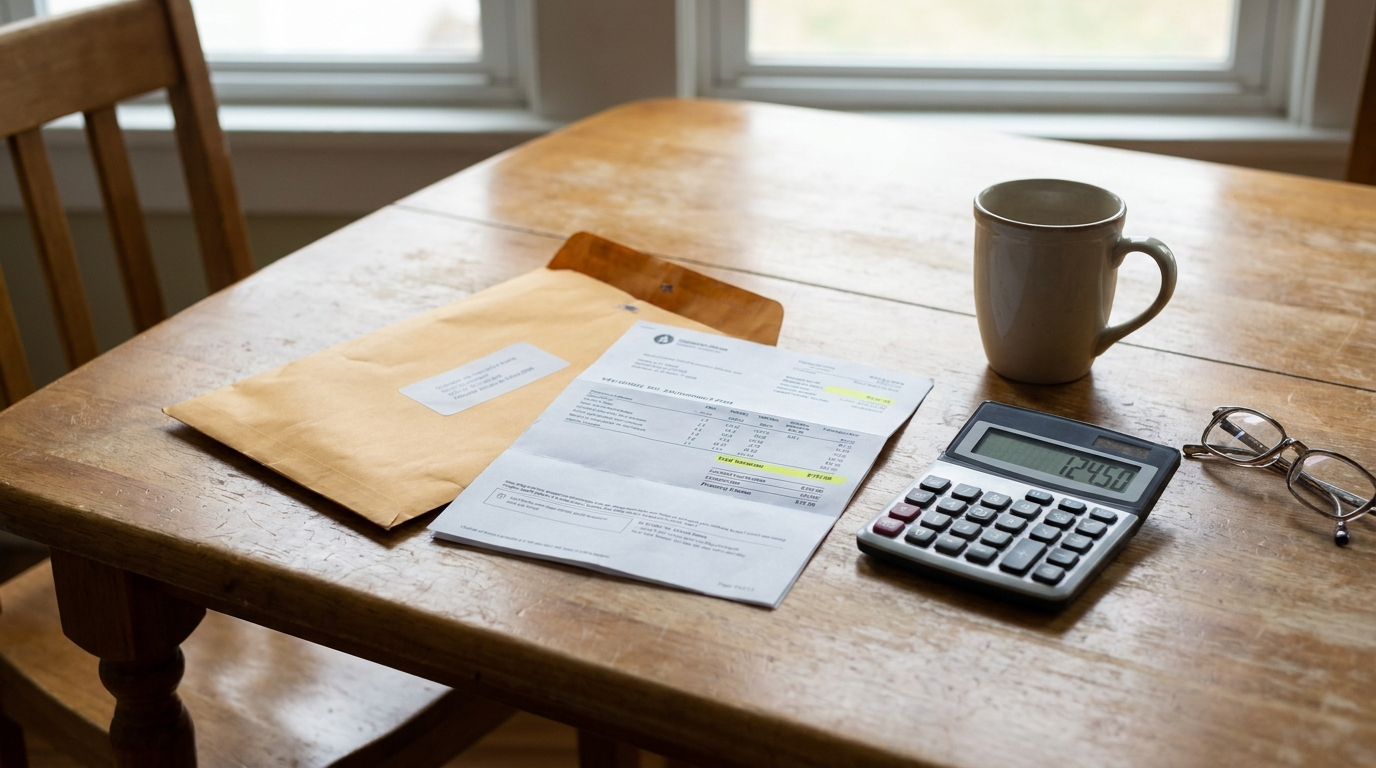
Threads like Toytown Germany’s “huge Strom bill” discussion and “my electricity bill doubled for no reason” show the same pattern repeating: someone gets a bill that looks dramatically wrong, panics briefly about whether they’re required to pay it immediately in full, and then works through it methodically, checking the meter reading first, then the rate, before concluding whether the number is actually accurate or genuinely needs disputing.
The consistent, practical lesson across these threads is that a shockingly high Nachzahlung is worth investigating calmly rather than either paying blindly or ignoring it outright. Most of these situations resolve as either a real, explainable consumption increase (a colder winter, a genuine change in the household) or a correctable meter or billing error, not fraud, and providers are required to actually engage with a documented, written dispute rather than simply insisting on immediate full payment.
Step by Step
- Compare the meter reading on your bill against your own meter before assuming the number is accurate.
- Check the rate charged against your current contract or most recent price change notice.
- If you’re on Grundversorgung and consumption looks more than double the prior period, request a formal Befundprüfung and note your limited right to refuse that portion of payment.
- If you suspect an error but aren’t in the specific double-consumption scenario, pay unter Vorbehalt in writing rather than withholding payment outright.
- If a genuine payment difficulty follows, know that disconnection can only be threatened after 4 weeks of default and a real arrears threshold, with a mandatory interest-free installment offer attached.
- If your provider won’t offer a proper installment plan or tries to charge for one, push back citing the February 2025 OLG Düsseldorf ruling, and escalate to the free Schlichtungsstelle Energie mediation process if they still won’t budge.
Compliance Note
This page explains the general German legal framework for disputing energy bills and installment payment rights, current as of the December 2025 rule change, but exact figures, thresholds, and provider obligations can be updated or interpreted differently case by case. For a genuine dispute or payment difficulty, contact your provider in writing first, and consult Verbraucherzentrale or a legal advisor if it isn’t resolved.
FAQ & Common Pitfalls
Our bill more than doubled from last year with no obvious reason. Can we just refuse to pay the extra part?
There's a real, but narrow, legal basis for this if you're on Grundversorgung (basic supply). Standard supply conditions allow limited payment refusal specifically when your metered consumption comes in at more than double the prior comparable period, and you formally request a Befundprüfung, a meter accuracy check. Outside that specific scenario, the safer move is paying the disputed amount unter Vorbehalt, under reservation, explicitly stating in writing that you're paying while disputing the amount, which protects your right to get the difference back if you're proven right, rather than withholding payment outright and risking arrears building up in the meantime.
We got a threatening letter about a possible Stromsperre (disconnection) because we're behind on payments. What actually has to happen before they can really cut us off?
Since December 23, 2025, this is governed by §§ 41f and 41g of the Energiewirtschaftsgesetz rather than the older StromGVV rules. Your provider can only send a formal disconnection threat after you've been in default for 4 weeks, and only once your arrears reach a real threshold, generally one-sixth of your annual payment amount or at least 100 euros, whichever is higher. Crucially, that threat notice has to come with an offer of an Abwendungsvereinbarung, an interest-free installment plan, and if your arrears are over 300 euros, that plan has to run somewhere between 12 and 24 months. A disconnection genuinely can't proceed if you accept and stick to a reasonable installment arrangement.
Can our provider charge us extra fees just for setting up an installment plan?
No, and this was specifically confirmed by an OLG Düsseldorf ruling in February 2025, which struck down a provider's attempt to charge fees for installment arrangements and to artificially cap them at 12 months when the law allows up to 24. If a provider tries to add a fee for an installment plan or offers a noticeably shorter timeframe than what the rules allow given your arrears amount, it's worth pushing back and, if they won't budge, escalating to the free Schlichtungsstelle Energie mediation process.