
Moving Out: Can You Actually Take Your Kitchen With You, or Sell It to the Next Tenant?
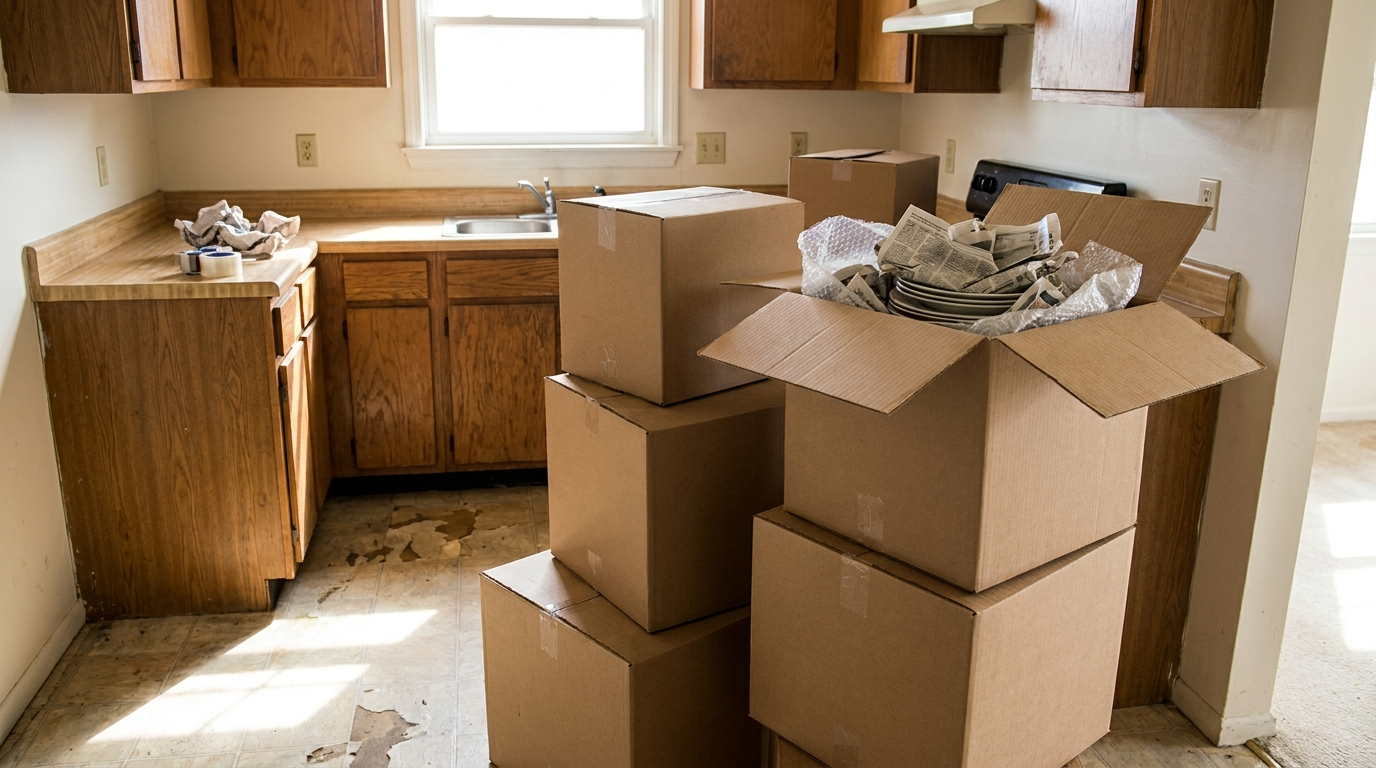
Whether you can take your Einbauküche, built-in kitchen, with you when you move out genuinely depends on one thing: who it actually belongs to. If you installed and paid for the kitchen yourself, it's genuinely your property, just like your furniture, and you're allowed to dismantle it and take it with you, though any damage the removal causes, drill holes in tiles, walls, or the floor, must genuinely be repaired before you hand back the keys. If instead the apartment was rented to you with the kitchen already included as part of the fixtures listed in your rental contract, it genuinely belongs to the apartment itself, not to you, and you can't remove it when you leave. If you own the kitchen and would rather not deal with dismantling and disposing of it, you can also genuinely offer it to the incoming tenant for a settlement payment instead, though this requires your landlord's permission and is voluntary on both sides, and one straightforward way some sources calculate a fair price is purchase price minus (purchase price divided by 10 years, multiplied by years actually used).
The Official Rule
Figuring out what actually happens to your kitchen when you move out of a German rental comes down to a single question worth answering early, before you’re already packing boxes.
Whether you can take your Einbauküche with you genuinely depends on who it actually belongs to, and this is the real starting point. If you installed and paid for the kitchen yourself, it’s genuinely your property, treated just like your furniture or any other belonging you brought into the apartment, and you’re allowed to dismantle it and take it with you when you go.
| Situation | What this actually means |
|---|---|
| You installed and paid for it yourself | It's your property, you may remove it |
| It came with the rental contract as a listed fixture | It belongs to the apartment, it stays |
If you do remove a kitchen you own, any damage the removal causes genuinely has to be repaired before you hand back the keys. Drill holes in tiles, walls, or the floor left behind from mounting cabinets or connecting plumbing and electrics are your responsibility to fix, this isn’t optional or something a landlord is expected to simply absorb.
If instead your apartment was rented to you with the kitchen already included as part of the fixtures listed in your rental contract, it genuinely belongs to the apartment itself, not to you, and you can’t remove it when you leave. This is worth checking in your actual contract now rather than assuming either way, since the answer depends entirely on what was agreed when you moved in.
If you own the kitchen and would rather not deal with dismantling and disposing of it yourself, you can also genuinely offer it to the incoming tenant for a settlement payment instead. This requires your landlord’s permission, since the landlord ultimately controls what stays in the apartment, and it’s voluntary on both sides, the next tenant is never obligated to accept it either. One straightforward way some sources calculate a fair price for this is the purchase price minus the purchase price divided by 10 years, multiplied by the number of years you’ve actually used it, giving both sides a genuine, calculable starting point rather than a guess.
A written agreement is genuinely worth having no matter which path you take. Whether you’re removing the kitchen yourself, leaving it in place as a listed fixture, or handing it over to the next tenant for a payment, putting the arrangement in writing with your landlord protects you from a dispute after you’ve already moved out and it’s harder to resolve.
What Real People Say
People preparing to move out consistently describe genuine relief at checking their actual rental contract early to confirm whether their kitchen counts as a listed fixture, several mention assuming the wrong answer at first and being glad they checked before starting to dismantle anything.
Tenants who sold their kitchen to an incoming tenant consistently describe having a written agreement as the detail that actually prevented a dispute, several mention that agreeing on a specific depreciation calculation in advance made the negotiation itself far more straightforward.
Step by Step
- Check your actual rental contract to confirm whether the kitchen was listed as an included fixture or something you installed yourself.
- If you own it, decide whether to remove it or offer it to the next tenant for a settlement payment.
- Get your landlord’s permission before finalizing either path.
- If removing it, plan for repairing any resulting damage, drill holes in tiles, walls, or the floor.
- Put the final arrangement in writing with your landlord and, if relevant, the incoming tenant.
Compliance Note
This page explains the general framework around kitchens and moving out of a German rental, but this is not legal advice, and specific circumstances can vary. For your specific situation, consult a Mietrecht (tenancy law) attorney or your local Mieterverein.
FAQ & Common Pitfalls
We bought and installed our own kitchen a few years ago. When we move out, do we have to take it with us, or can we just leave it?
Genuinely, it's your choice either way, since it's your property. You can dismantle and take it with you, or, if you'd rather not deal with removing it, you can offer it to the incoming tenant for a settlement payment instead, with your landlord's permission. Just make sure whichever path you pick is agreed in writing so there's no dispute afterward.
Our rental contract lists a kitchen as part of the apartment's fixtures, but we don't actually want it there anymore. Can we remove it and install our own?
You'd genuinely need your landlord's written permission first, since a kitchen listed in the contract as a fixture belongs to the apartment, not to you. Removing it without agreement could create a real dispute when you move out, since the landlord could reasonably expect the original fixture back in place.
How do we actually figure out a fair settlement payment for our kitchen if we want to offer it to the next tenant?
One straightforward way some sources calculate this is purchase price minus (purchase price divided by 10 years, multiplied by years you've actually used it), which gives you a depreciated value tied to a genuine number rather than a guess. It's genuinely worth writing this calculation down and agreeing on it with the incoming tenant in advance, rather than negotiating from scratch with no shared reference point.