
What Actually Happens If You Don't Pay the Rundfunkbeitrag
If a Rundfunkbeitrag payment is missed, the Beitragsservice sends a Festsetzungsbescheid (assessment notice) about four weeks after the due date, adding a Säumniszuschlag (late fee) of 1 percent of the arrears or a minimum of 8 euros. If that still isn't paid, a formal Mahnung follows, and after that, enforcement (Vollstreckung) begins, carried out not by the Beitragsservice itself but by a public enforcement authority, in Munich's case the city's own Kassen- und Steueramt acting on a request from Bayerischer Rundfunk, which can seize a bank account or garnish wages. The Beitragsservice does not report directly to SCHUFA, but if enforcement leads to an entry in the public debtor registry (Schuldnerverzeichnis), SCHUFA can and does pick that up independently, so an unpaid Rundfunkbeitrag can still end up affecting your credit file, just through a different door than a typical private debt collector.
The Rule Itself
The Rundfunkbeitrag is one of the more reliably confusing recurring bills for newcomer families, mandatory, billed quarterly, and easy to let slip if a payment method lapses or a reminder gets lost in a pile of other German-language mail. What actually happens if a payment is missed follows a fairly predictable, staged process, not an immediate crisis.
The Beitragsservice’s own official page lays out the sequence directly. If a payment isn’t received, a Festsetzungsbescheid (assessment notice) is issued roughly four weeks after the due date, and this notice adds a Säumniszuschlag, a late payment surcharge of 1 percent of what’s owed or a minimum of 8 euros, whichever is higher. If that notice still goes unpaid, a formal Mahnung (reminder) follows. Only after that does actual enforcement, Vollstreckung, begin.
- Payment due date passes, unpaidNothing formal happens immediately, but the clock has started.
- ~4 weeks later: FestsetzungsbescheidAn assessment notice arrives, adding a Säumniszuschlag of 1% or at least 8 euros.
- Formal MahnungA further reminder is sent if the assessment notice itself isn't settled.
- VollstreckungsersuchenBayerischer Rundfunk submits an enforcement request to a public authority, not a private collector.
- Vollstreckung (enforcement)The relevant public office, in Munich the city's own Kassen- und Steueramt, can seize a bank account or garnish wages.
- Possible Schuldnerverzeichnis entryIf it reaches this stage, SCHUFA can independently pick up a debtor registry entry, even though the Beitragsservice never contacted SCHUFA itself.
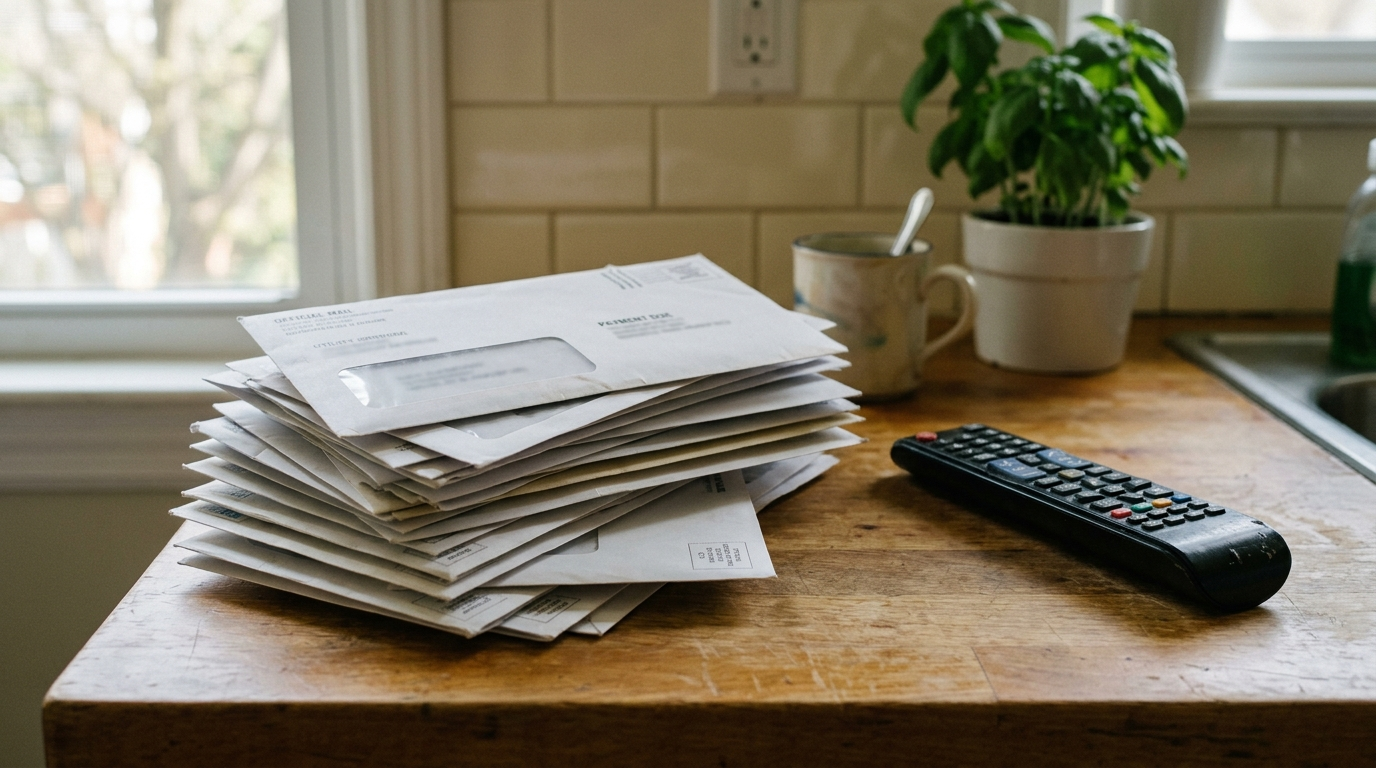
The part that genuinely surprises a lot of newcomers is who’s actually behind the enforcement. The Beitragsservice’s own page on the SCHUFA question is explicit: “Der Beitragsservice veranlasst keine Eintragung und sendet auch keine Informationen an die SCHUFA”, it neither initiates an entry nor sends SCHUFA anything directly. What actually connects the two is the öffentliches Schuldnerverzeichnis, the public debtor registry that enforcement proceedings can add you to, and which SCHUFA queries independently as its own separate process. The practical effect is the same either way, a genuinely unpaid Rundfunkbeitrag can still end up affecting your credit file, it just travels there through a public enforcement record rather than a private company’s direct report.
What Real People Say
Consumer protection guidance from Verbraucherzentrale Hamburg is consistent on the one detail that matters most once enforcement actually starts: an account seizure doesn’t lift just because you offer a payment plan afterward, it stays in place until the seized amount is genuinely settled in full. That single fact is why the advice across every source on this topic converges on the same point, reach out to the Beitragsservice before enforcement begins, not after.
Real forum discussions about ignoring GEZ/Rundfunkbeitrag bills describe a genuinely common pattern among newcomers, assuming a bill in unfamiliar German bureaucratic language can simply be set aside for later, then being caught off guard when a formal enforcement letter arrives months down the line. The one piece of advice that shows up again and again in these threads is that the process, while slow and staged, doesn’t actually stop or forget about the debt on its own, and the earlier a genuine payment problem is raised directly with the Beitragsservice, the more room there is to resolve it before it escalates to account or wage seizure.
Step by Step
- If a Rundfunkbeitrag payment slips, don’t assume a single missed quarter is a crisis, the formal process takes roughly four weeks before the first assessment notice even arrives.
- Once a Festsetzungsbescheid arrives, pay it or contact the Beitragsservice immediately, the Säumniszuschlag (1% or minimum 8 euros) is added at this stage and won’t shrink by waiting.
- If you genuinely can’t pay, ask about a payment arrangement before a formal Mahnung is sent, this is the easiest point in the process to resolve it.
- Understand that enforcement, if it happens, comes from a public authority, in Munich the city’s own Kassen- und Steueramt acting on Bayerischer Rundfunk’s request, not a private collection agency.
- Know that a Kontopfändung, once started, doesn’t pause for a proposed installment plan, it continues until the seized amount is paid in full, so prevention beats negotiation at this stage.
- If you’re worried about a SCHUFA effect, remember the actual mechanism, the Beitragsservice never reports to SCHUFA directly, the risk only appears if enforcement reaches the public Schuldnerverzeichnis, which SCHUFA checks independently.
Compliance Note
This page explains the general enforcement process for unpaid Rundfunkbeitrag under current federal and Bavarian administrative practice, current as of mid-2026. It is not legal advice, and specific timelines or amounts can vary by individual case. For a genuine payment difficulty, contact the Beitragsservice von ARD, ZDF und Deutschlandradio directly, or Munich’s own Sozialbürgerhaus debt counseling service.
FAQ & Common Pitfalls
Does the Beitragsservice report unpaid Rundfunkbeitrag directly to SCHUFA?
No, and the Beitragsservice's own official page is direct about this: it neither initiates a SCHUFA entry nor sends SCHUFA any information itself. What can happen instead is that enforcement proceedings lead to an entry in the public Schuldnerverzeichnis (debtor registry), which SCHUFA independently queries as a separate step, so an entry can still appear, just through a public enforcement record rather than a private company report.
Who actually shows up or takes action if enforcement starts, is it a private debt collector?
No. This is one of the more surprising things for newcomers used to private Inkasso letters, Rundfunkbeitrag enforcement is carried out by a public authority, not a company. Bayerischer Rundfunk, as the responsible broadcaster for Bavaria, submits an enforcement request, and the actual seizure or garnishment is executed by the relevant public enforcement office, for Munich residents that's the city's own Kassen- und Steueramt.
How much is the late fee, exactly?
The Säumniszuschlag is 1 percent of the outstanding arrears, or a minimum of 8 euros, whichever is higher, and it's added once the Festsetzungsbescheid is issued, roughly four weeks after the original due date passed unpaid.
If I genuinely can't pay right now, is there a better option than ignoring it?
Yes, and it's the option every source on this topic converges on. Contact the Beitragsservice directly and ask about a payment arrangement before enforcement begins. Once a Kontopfändung (account seizure) is underway, it stays in place until the seized amount is fully paid, it isn't lifted just because you propose an installment plan afterward, so reaching out early is genuinely the easier path.