
New Passport, Same Residence Status: Berlin Sends This One to the Bürgeramt, Not LEA
Every companion guide in this series has found the same shape at Berlin's immigration authority: whatever the service, settlement permits, a child's own permit, family-based renewals, it all lands at the Landesamt für Einwanderung (LEA), just through a differently named online form. Transferring a residence permit to a new passport breaks that shape entirely. Service Berlin's own listing opens with a different instruction altogether: "Grundsätzlich können Sie für den Übertrag in jedes Berliner Bürgeramt gehen," you can generally go to any Berlin Bürgeramt for this, and it doesn't matter which district you live in. LEA only becomes responsible when a short list of conditions isn't met: your old passport is gone, your existing permit wasn't issued by Berlin's own Ausländerbehörde or LEA, or more than 6 months passed between your old passport's expiry and your new one's issue date. The fee is 67 EUR for an adult, 33.50 EUR for a minor, paid once, not split into the two-stage Bearbeitungsgebühr-plus-Erteilungsgebühr structure this series has documented for actual settlement permit applications, and that single-payment rule holds true even for the version of this same service built specifically for Niederlassungserlaubnis holders. Berlin's own pages, checked directly, never state a fixed number of months from your new passport's issue date to complete the transfer, what they do state is a low-validity opt-out: if your permit has 6 months or less left, a standalone transfer stops making sense. Processing after the appointment runs about 4 weeks.
A New Passport Doesn’t Update the Card by Itself
Germany’s residence document, the elektronischer Aufenthaltstitel (eAT), stores its holder’s passport number on its chip and printed face, the same way it has since the sticker format was retired nationwide. A new passport, whatever prompted it, loss, damage, or simply reaching its own expiry date, doesn’t reach into that card and update the number automatically. The two documents fall out of sync the moment the new passport exists, and nothing about the underlying right to remain in Germany has actually changed when that happens. Correcting the mismatch is what German authorities call an Übertrag, and every city in the country runs some version of it.
What genuinely differs from one city to the next is which office actually does the correcting, and Berlin’s answer breaks a pattern this series has already confirmed holds true everywhere else in the city.
The Twist: This Is the One LEA-Adjacent Topic That Isn’t Actually an LEA Topic
Companion guides on Berlin’s Niederlassungserlaubnis decision and a child’s own residence permit in Berlin both document the identical habit at the Landesamt für Einwanderung (LEA): rather than splitting a subset of cases off to a separate office, LEA keeps building more narrowly named online forms inside the single authority it already runs. Four such forms exist just for this transaction, Aufenthaltsdokument-GB for UK nationals under the Withdrawal Agreement, Aufenthaltserlaubnis, Blaue Karte EU, and Niederlassungserlaubnis or Erlaubnis zum Daueraufenthalt-EU, matching the fragmentation this series has already seen from LEA elsewhere.
Where this transaction actually breaks from every prior Berlin topic in this series is the building it sends you to first. Service Berlin’s own listing doesn’t open with an LEA address at all: “Grundsätzlich können Sie für den Übertrag in jedes Berliner Bürgeramt gehen. Es ist dabei egal, in welchem Bezirk Sie wohnen.” You can generally go to any Berlin Bürgeramt for this, and it makes no difference which district you actually live in. A Bürgeramt is Berlin’s ordinary citizen’s registration office network, the same dozens of locations across the city that already handle Anmeldung and German ID card business, not a specialized immigration desk.
| Condition | What it requires |
|---|---|
| Your expired passport | Still in your possession, carrying a currently valid Aufenthaltserlaubnis or Niederlassungserlaubnis |
| Who issued that permit | The Ausländerbehörde or Landesamt für Einwanderung Berlin, or it was itself last transferred by a Berlin Bürgeramt |
| Condition of the old passport | Complete, not damaged or missing pages |
| Gap between old and new passport | No more than 6 months between the old passport's expiry date and the new passport's issue date |
| Time spent outside Germany | Not continuously more than 6 months |
Miss any one of those and the venue changes, not the process itself. Service Berlin’s own wording is direct about the fallback: “Liegt eine der oben genannten Voraussetzungen für die Übertragung durch das Bürgeramt nicht vor (z.B. alter Pass ist nicht mehr vorhanden, die Aufenthaltserlaubnis wurde nicht durch die Ausländerbehörde / das Landesamt für Einwanderung Berlin erteilt), ist für die Übertragung das Landesamt für Einwanderung zuständig.” If your old passport no longer exists, or your permit wasn’t issued by Berlin’s own immigration authorities in the first place, perhaps you moved to Berlin from another German state, LEA takes over, the same authority every other guide in this series routes through. Either way, an appointment is required, Service Berlin states plainly that transfers are carried out “grundsätzlich nur mit Termin,” by appointment only, whichever office ends up handling yours.
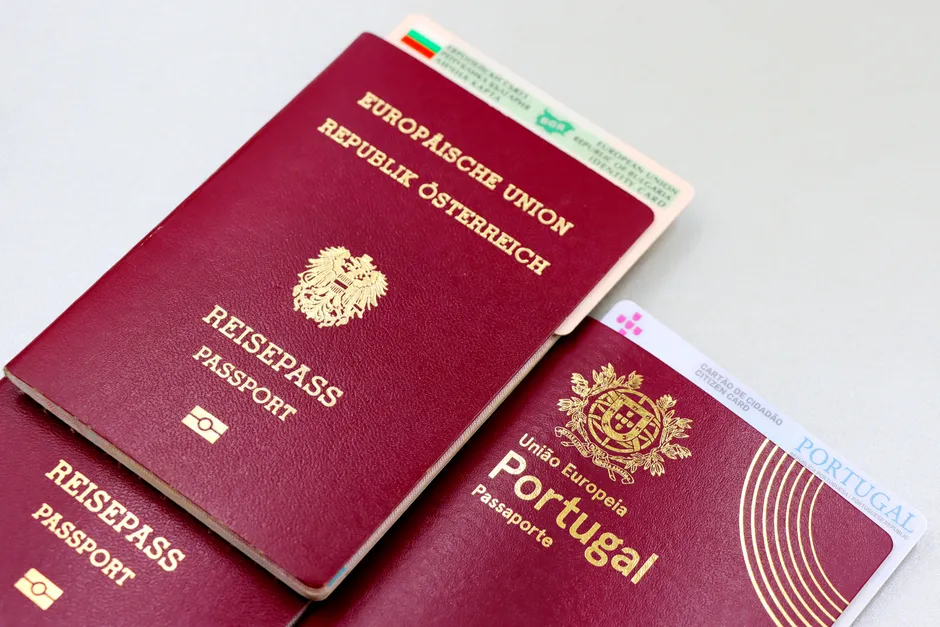
Photo by Marta Branco on Pexels
One Fee, Paid Once, Even for Niederlassungserlaubnis Holders
The companion guide on Berlin’s residence permit fees for children and families already established the pattern this series keeps confirming: an ordinary Aufenthaltserlaubnis service charges a single Bearbeitungsgebühr up front, while an actual Niederlassungserlaubnis application, granting a genuinely new legal status, splits its cost into that same processing fee plus a separate Erteilungsgebühr collected later at the interview. This transaction is worth checking against that pattern rather than assuming it, since it deals with passports rather than a fresh grant of status, and Berlin’s own pages confirm it directly.
| Applicant | Fee |
|---|---|
| Adult | 67.00 EUR |
| Minor | 33.50 EUR |
| Turkish national, under 24 | 27.60 EUR |
| Turkish national, 24 and over | 46.00 EUR |
| Digital passport photo, self-service terminal | +6.00 EUR |
| SGB II/XII recipients, recognized refugees, resettlement refugees, scholarship holders | Free |
Both the Aufenthaltserlaubnis version of this service and the Niederlassungserlaubnis/Erlaubnis zum Daueraufenthalt-EU version list this same single amount, not the two-stage Bearbeitungsgebühr-plus-Erteilungsgebühr structure the family fees guide documents for an actual settlement permit application. That distinction matters specifically for anyone who already holds Niederlassungserlaubnis: getting a new passport doesn’t reopen your settlement permit application or charge you a second time the way applying for it originally did, it triggers this lighter, single-payment correction instead. The 67 euro figure itself isn’t a Berlin-specific rate either, Section 45c AufenthV sets that reissuance fee nationwide for exactly this situation, and the minor’s rate follows the standard halving under Section 50 AufenthV.
What to Bring
Service Berlin’s own document list, consistent across both versions of the service checked for this article:
- Your new passport, the document that made this necessary in the first place.
- Your old passport, or a police report if it was lost or stolen and you no longer have it.
- Your current residence permit, either the eAT card together with its Zusatzblatt (supplementary sheet), or the older sticker format still affixed to your old passport if that's what you hold.
- One current biometric passport photo, under the rules that took effect May 1, 2025.
No Fixed Month Count: What Berlin’s Own Pages Actually Say About Timing
Guidance describing this transfer in other German cities sometimes states a flat number of months, counted from the new passport’s own issue date, as the deadline for finishing the process. Checked directly, Berlin’s own pages for this service, both the English listing and the original German version, don’t restate that figure anywhere, and neither does Berlin’s dedicated FAQ on the topic.
What Berlin’s pages state instead is narrower and serves a different purpose entirely. The 6-month figure that does appear, no more than 6 months between the old passport’s expiry date and the new passport’s issue date, decides whether a Bürgeramt can take your case at all, it isn’t a countdown on how long you have left to act once your new passport already exists. Separately, Service Berlin adds a low-validity opt-out worth knowing before starting the paperwork: “Ihre Aufenthaltserlaubnis ist nur noch maximal 6 Monate gültig? Dann ist eine Übertragung nicht mehr sinnvoll.” If your underlying permit has 6 months or less of validity left, a standalone transfer stops being worth pursuing, since you’ll be filing a full renewal soon regardless, and that renewal naturally carries your new passport’s details forward.
Processing itself, once an appointment happens, runs on a clearer timeline: “Nach der Vorsprache mit Termin dauert es ungefähr 4 Wochen, bis die Aufenthaltserlaubnis als elektronischer Aufenthaltstitel ausgestellt ist und abgeholt werden kann.” About 4 weeks after your appointment for the new card to be ready and collectable, a production window tied to the same centralized card manufacturing every German city depends on for this document.
Traveling Before the New Card Is Ready
Berlin’s own guidance covers the gap directly rather than leaving it to guesswork. If no appointment is available on short notice, “können Sie auch ohne Übertragung ins Ausland reisen,” you can travel abroad without having completed the transfer first, carrying your old passport, your new passport, and your still-valid residence permit together. Berlin’s own pages add a detail worth taking seriously if travel is actually on the calendar: check your destination country’s own entry requirements before relying on this, since what satisfies a German border check on the way back isn’t necessarily what a foreign border control expects on the way in.
What Real People Say
The most common surprise among people describing this process is assuming it must run through LEA the way nearly every other residence matter in Berlin does, and only discovering the Bürgeramt option after already trying to book an LEA appointment through the specialized queue this series has documented elsewhere as running months long. The second common mix-up cuts the other way: people who’ve been through an actual Niederlassungserlaubnis application, and remember paying twice, sometimes brace for a second charge on this transfer that never actually arrives, since the fee here is one payment regardless of which permit category the applicant holds.
Step by Step
- Check your own eligibility for Bürgeramt processing first: your old passport still in hand, your existing permit issued by Berlin's own Ausländerbehörde or LEA, no more than 6 months between the old passport's expiry and the new one's issue date, and no more than 6 continuous months spent outside Germany.
- If all of those hold, book an appointment at any Berlin Bürgeramt, your home district doesn't matter for this specific transaction.
- If any condition fails, for example your old passport is gone or your permit wasn't issued in Berlin, expect LEA to handle it instead, and book through LEA's own channel.
- Check whether your permit has 6 months or less of validity left before doing anything else; if it does, a standalone transfer generally isn't worth pursuing separately from your upcoming renewal.
- Gather your documents: new passport, old passport or a police report, your current eAT with its Zusatzblatt, and one biometric photo.
- Budget 67 euros for an adult or 33.50 for a minor, paid once, and ask about the fee waiver directly if you receive SGB II, SGB XII, or hold refugee or scholarship status.
- Budget about 4 weeks after your appointment for the new card to be produced and ready for collection.
- If travel comes up before the card arrives, carry your old passport, your new passport, and your still-valid permit together, and confirm your destination country's own entry requirements beforehand.
Compliance Note
This page explains the general federal framework under Sections 45c, 50, and 53 of the Residence Ordinance (AufenthV) and Section 78 of the Residence Act (AufenthG), alongside how Berlin’s own service pages currently route this transaction between its Bürgerämter and the Landesamt für Einwanderung, current as of mid-2026. It is not legal or immigration advice, and specific requirements can vary by nationality, permit category, and individual circumstances. For your specific situation, confirm current requirements directly with your nearest Bürgeramt, the Landesamt für Einwanderung, or a qualified immigration lawyer.
FAQ & Common Pitfalls
Every other Berlin residence topic in this series ends up at LEA. Does this one too?
Not by default, and that's genuinely the story here. Companion guides on Berlin's settlement permit decision and a child's own residence permit both document the same habit at Berlin's Landesamt für Einwanderung (LEA): rather than splitting cases across offices, LEA keeps carving out more narrowly named online forms inside the one authority. Transferring a residence permit to a new passport is the exception. [Service Berlin's own listing](https://service.berlin.de/dienstleistung/121874/en/) opens with "Grundsätzlich können Sie für den Übertrag in jedes Berliner Bürgeramt gehen. Es ist dabei egal, in welchem Bezirk Sie wohnen," meaning you can generally use any Berlin Bürgeramt for this, and your home district doesn't matter. LEA only steps back in when a specific set of conditions isn't met, covered in the next question, and even then, it's the same LEA this series already describes elsewhere, not a new authority.
What actually decides whether I go to a Bürgeramt or to LEA for this?
A short, checkable list, not a judgment call. Berlin's own Voraussetzungen for Bürgeramt processing require that you still hold the expired passport together with a currently valid Aufenthaltserlaubnis or Niederlassungserlaubnis, that the permit was issued by the Ausländerbehörde or Landesamt für Einwanderung Berlin (or was itself last transferred by a Berlin Bürgeramt), that your old passport is complete, that no more than 6 months passed between the old passport's expiry date and the new one's issue date, and that you haven't been continuously outside Germany for more than 6 months. Berlin's own wording is direct about what happens otherwise: "Liegt eine der oben genannten Voraussetzungen für die Übertragung durch das Bürgeramt nicht vor... ist für die Übertragung das Landesamt für Einwanderung zuständig," if any of those conditions is missing, for example your old passport no longer exists, or your permit wasn't issued by Berlin's own Ausländerbehörde or LEA, responsibility shifts to LEA instead.
Is the fee split into two payments the way Berlin's settlement permit applications are?
No, and this is worth knowing before setting aside a second payment that never gets charged. A companion guide on Berlin's residence permit fees for families documents how LEA's actual Niederlassungserlaubnis applications, including the version built for a 16-year-old, split their cost into a Bearbeitungsgebühr paid online and an Erteilungsgebühr paid at the in-person interview. Both the Aufenthaltserlaubnis and the Niederlassungserlaubnis versions of this specific transfer, checked directly on Service Berlin's own pages, list a single amount instead, 67 EUR for an adult or 33.50 EUR for a minor, due as one payment. A transfer doesn't grant a new legal status the way a settlement permit application does, it corrects a passport number stored on a status you already hold, and Berlin's fee structure for it reflects that lighter weight even when the applicant happens to hold Niederlassungserlaubnis.
Is there a real deadline, like six months counted from my new passport's issue date?
Not on Berlin's own published pages, checked directly for this article. What appears instead is a routing condition tied to a different measurement entirely: no more than 6 months between your old passport's expiry date and your new passport's issue date, which decides whether a Bürgeramt can process your case, not how long you have left to act once the new passport is in hand. Separately, Berlin's own service page adds a low-validity opt-out: "Ihre Aufenthaltserlaubnis ist nur noch maximal 6 Monate gültig? Dann ist eine Übertragung nicht mehr sinnvoll," if your permit has 6 months or less of validity remaining, a standalone transfer no longer makes sense, since a full renewal will cover the same ground soon regardless. If you've read guidance elsewhere citing a flat number of months to complete the transfer itself, it's worth confirming directly with the Bürgeramt or LEA whether that applies to your specific card, since it isn't a figure Berlin's own pages restate.