
Registering a Newborn in Frankfurt: Standesamt Mitte, Standesamt Höchst, and the One-Week Deadline
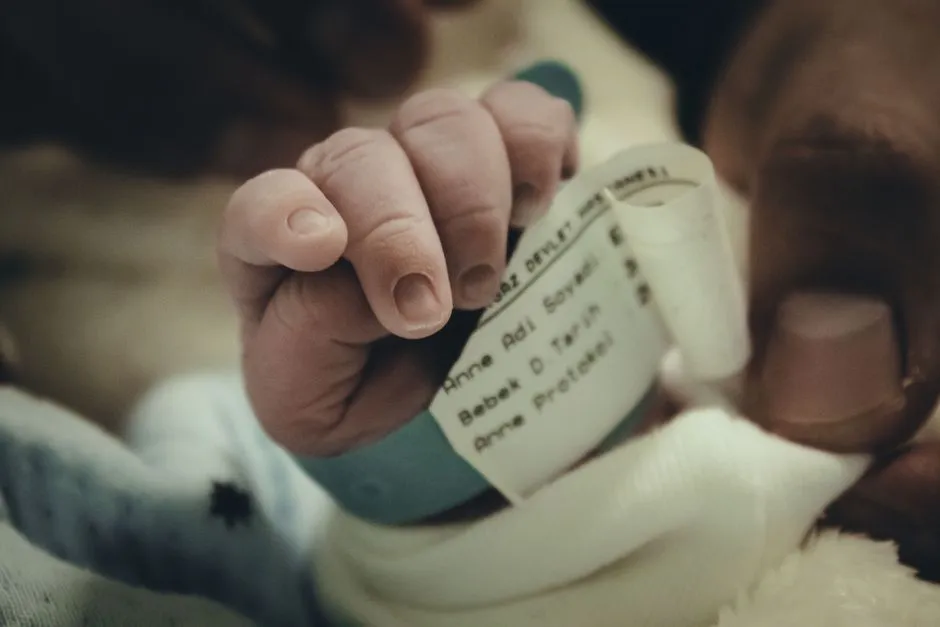
If your baby is born in a Frankfurt hospital, birthing center, or midwife practice, that facility reports the birth to the Standesamt for you, no deadline to track yourself. Home births are the exception: German law gives parents exactly one week to report the birth themselves, using a completed notification form or a certificate from the attending doctor, midwife, or delivery nurse. Frankfurt actually runs two separate Standesamt offices for this: Standesamt Mitte handles births at hospitals and birthing centers across most of the city, while Standesamt Höchst covers municipal clinics in Höchst and the neighboring districts of Griesheim, Nied, Schwanheim, Sindlingen, Sossenheim, Unterliederbach, and Zeilsheim, though your hospital's own paperwork will normally tell you which one applies. In-person visits to either office require an appointment booked in advance, walking in without one won't work. Married parents mainly need ID and a marriage certificate; unmarried parents need written proof of paternity recognition (Vaterschaftsanerkennung) first, since the Standesamt won't name the father on the certificate without it. Once your file is complete, expect the Geburtsurkunde in around a week, genuinely faster than in some other German cities. The standard fee covers three certified copies for parental allowance, child benefit, and health insurance applications, and each further copy costs 6 euros, worth planning for since Kindergeld, health insurance, and passport applications will each want their own.
The Official Rule
Frankfurt’s Standesamt (civil registry office) is where every birth in the city gets legally recorded, and the good news is that most parents never have to chase a deadline themselves. If your baby is born in a Frankfurt hospital, birthing center, or midwife practice, that facility is legally required to submit the birth notification to the Standesamt directly. You don’t file anything to trigger this part.
Home births work differently. There, the responsibility falls on the parents, and German federal law is specific about the timeline: under Section 18 of the Personenstandsgesetz (PStG), a birth has to be reported to the competent Standesamt within one week, using a completed birth notification form or a certificate from the attending physician, midwife, or delivery nurse. The law also spells out who can do the reporting (either parent with custody, or someone present at or aware of the birth if the parents can’t), and it separately obligates institutions like hospitals and birthing centers to report on the family’s behalf, which is exactly the mechanism that makes hospital births hands-off for parents.
Frankfurt actually runs the Standesamt as two separate offices, and which one is responsible for your child depends on where the birth happened, not where you live. Standesamt Höchst covers births at the municipal clinics in Höchst itself, plus the neighboring districts of Griesheim, Nied, Schwanheim, Sindlingen, Sossenheim, Unterliederbach, and Zeilsheim. Standesamt Mitte, the central office at Berliner Straße 33-35, 60311 Frankfurt am Main, handles births at hospitals and birthing centers everywhere else in the city. In practice, the hospital’s own paperwork usually tells you which office is handling your case, so this rarely requires research on your part. One detail worth planning around either way: a personal visit to either office requires an appointment booked in advance, there’s no walk-in counter for this.
Which documents you need depends on your family situation. Married parents typically bring valid ID or passports with recent registration certificates (Meldebescheinigung) for both, their own birth certificates, their marriage certificate, and a completed name declaration for the child. Divorced parents bring the original, legally binding divorce decree alongside the original marriage certificate. Unmarried mothers need one more piece before anything else can be finalized: written proof of paternity recognition (Vaterschaftsanerkennung), since without it the Standesamt has no legal basis to list a father on the birth certificate at all. If any of your documents are foreign and not already in German, they need translation by a translator sworn in in Germany specifically, a translation done back home generally isn’t accepted, and depending on which country issued the original, an apostille or full legalization may also be required.
Standesamt Frankfurt am Main (Standesamtsbezirk Mitte): Berliner Straße 33-35, 60311 Frankfurt am Main. Handles births at hospitals and birthing centers citywide except the municipal clinics in Höchst, Griesheim, Nied, Schwanheim, Sindlingen, Sossenheim, Unterliederbach, and Zeilsheim, which go through Standesamt Höchst instead.
Once your full file is with the Standesamt, expect the Geburtsurkunde itself in around a week, genuinely faster than the roughly month-long wait some other German cities report. The standard fee for the first certificate includes three certified copies free of charge, earmarked specifically for parental allowance, child benefit, and health insurance applications; each further copy costs 6 euros, and copies needed for pension purposes are issued without charge. Given how many other places will eventually want an original (health insurance, a passport application, sometimes a home-country consulate), it’s worth requesting extra copies while your file is already open rather than paying for a second round of processing later. Frankfurt also offers an international, multilingual extract of the birth register on request, worth asking about directly if you’ll need the document recognized abroad, since which specific languages are included can vary by case.
What Real People Say
This section draws on established local resources covering the Frankfurt birth-registration process.
A theme that comes up consistently: only one parent actually needs to show up with the documents, you don’t both have to take time off to handle this together, though bringing along an interpreter is a good idea if neither of you is confident in German, since the paperwork itself is entirely in German. Guides also flag the appointment requirement as something worth sorting out early, since Frankfurt doesn’t run a walk-in counter for this the way some smaller offices do.
On copies, the advice lines up with the official numbers: the three free ones cover the immediate benefit applications, but families moving through health insurance registration, a first passport application for the baby, and sometimes a consulate filing on top of that tend to run out fast, and reordering later means paying again and waiting again. Preparing the paperwork before the hospital stay, rather than scrambling for it during the postpartum days, is the other repeated piece of advice, particularly gathering any foreign documents and their translations in advance since sworn translations aren’t instant.
Step by Step
- Figure out which Standesamt office is responsible, based on where the birth happens, not where you live; your hospital’s paperwork will usually tell you directly, so you rarely need to check this yourself.
- If you’re not married, start paternity recognition (Vaterschaftsanerkennung) before the birth if you can. Book through the Standesamt, the Jugend- und Sozialamt responsible for your district, or a notary. At the Jugend- und Sozialamt, certifications happen Mondays, Tuesdays, and Thursdays. Both parents need ID, and the mother’s original divorce decree if applicable.
- Book an appointment before you go in person. Neither Standesamt Mitte nor Standesamt Höchst accepts walk-ins for birth registration.
- Gather your documents early: valid ID or passports with recent registration certificates, your own birth certificates, your marriage certificate if married or the paternity recognition document if not, and a completed name declaration if you already know the name.
- Get foreign documents translated by a translator sworn in in Germany, and check whether your document’s country of origin requires an apostille or legalization on top of that. Do this before the birth if possible, sworn translations take time.
- Let the hospital handle the notification if you gave birth there; you don’t need to file anything yourself. If it was a home birth, report it to the Standesamt within one week using a notification form or a certificate from the attending doctor or midwife, this is a legal deadline, not a suggestion.
- Decide on the child’s first name within one month of the birth if it wasn’t already given at registration, or submit a separate name declaration. Missing this deadline means the Standesamt has to notify the family court, a real consequence worth avoiding.
- Request extra Geburtsurkunde copies beyond the three free ones, and ask about the multilingual international extract if you’ll need the certificate recognized outside Germany. Health insurance registration and your Kindergeld application will each want their own original, so it’s worth over-ordering slightly rather than paying for a second round later.
FAQ & Common Pitfalls
Can we recognize paternity before the baby is even born?
Yes, and for unmarried couples it's usually the better plan, since the Standesamt won't list a father on the birth certificate without it already on file. In Frankfurt, Vaterschaftsanerkennung, paternity recognition, can be certified at the Standesamt itself, at the Jugend- und Sozialamt (Youth and Social Welfare Office), or at a notary for a fee. At the Jugend- und Sozialamt specifically, these certifications happen on Mondays, Tuesdays, and Thursdays, and you book through the Sozialamt responsible for your residential district, since Frankfurt's social offices are organized by district rather than one central citywide office. Both parents need to appear in person with valid ID, a passport, or a residence permit, and if the mother is divorced, the original legally binding divorce decree also needs to be shown.
Which Standesamt office is actually responsible for our baby, Mitte or Höchst?
It depends on where the birth happens, not where you live. Standesamt Höchst is responsible for births at the municipal clinics in Höchst itself and in the neighboring districts of Griesheim, Nied, Schwanheim, Sindlingen, Sossenheim, Unterliederbach, and Zeilsheim. Standesamt Mitte handles births at hospitals and birthing centers everywhere else in the city, including private birthing centers. In practice, the hospital's own discharge paperwork usually tells you directly which office is handling your file, so this rarely requires research on your part.
How long do we actually have to decide on our baby's first name, and what happens if we miss it?
One month from the date of birth, according to Frankfurt's own naming guidance, if the name wasn't already given at the initial birth registration. The simplest route is having the desired first and family names recorded immediately through the birth facility, which forwards that information to the Standesamt directly. If you miss the one-month window without submitting a separate name declaration, the Standesamt is obligated to notify the competent family court (Familiengericht), which is a genuinely more formal consequence than simply being asked to fill in a form later. If either parent holds a foreign nationality, your home country's naming law can also come into play alongside German rules, and Frankfurt's Standesamt specifically recommends raising this directly with a caseworker rather than assuming the German default automatically fits your family's situation.
How many copies of the Geburtsurkunde should we actually request, and is there a multilingual version?
The standard fee for your first certificate includes three certified copies free of charge, earmarked for parental allowance (Elterngeld), child benefit (Kindergeld), and health insurance registration. Beyond those three, each additional copy costs 6 euros, and copies needed specifically for pension purposes are issued free. Given how many other places will eventually want an original, a passport application for the baby, a copy for each parent's home-country consulate, it's worth requesting a few extra while your file is already open. Frankfurt also offers an international, multilingual extract of the birth register on request, useful if the certificate needs to be recognized abroad without a separate translation, though which specific languages are included can vary, so it's worth confirming directly with the Standesamt whether the language you need is covered.